Grief Landmarks
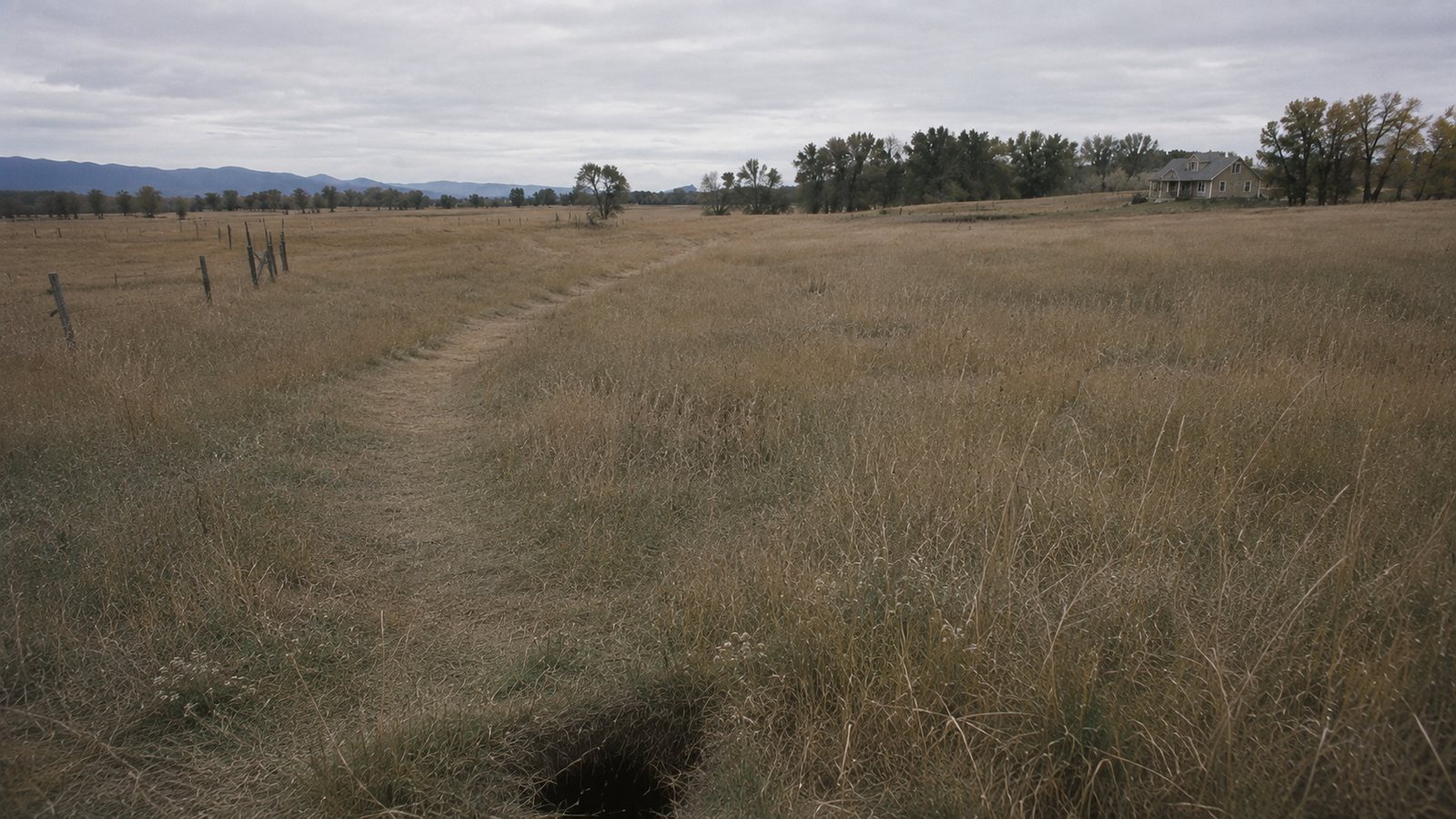
What is a grief landmark?
A grief landmark is a place, a date, a conversation, or a transition where a loss arrives and asks to be named.
The hospital parking garage. The anniversary of the diagnosis. The first wedding you go to alone. A voicemail you will not delete.
Where does the term come from?
I named it. I was standing at my kitchen counter, looking at a list I had been keeping on my phone: streets, a pub, a park, a flight path. I had never called them anything until that morning.
Where do landmarks sit in the hole and the garden?
If a loss is a hole, a landmark is a place where the ground opens onto it. Sometimes it feels less like an opening and more like a sign that appears out of nowhere, pointing straight at the hole.
Each loss has one hole, and each hole can have many openings, which is why the same grief can find you at a gas station and at a birthday dinner in the same week.
The rest of the map is on The Hole and the Garden.
Can you visit a grief landmark on purpose?
Yes. Some catch you halfway through an errand, before you know you are anywhere near one. Others you choose, and you walk in knowing what is waiting.
The difference between the two, and what to bring when you go on purpose, is in What a Grief Landmark Is.
What do I do when I find one?
That is what my keystone piece, What a Grief Landmark Is, is for. It teaches what a landmark does, the landmarks nobody calls landmarks, and the first small move to make when you find one.
It lives in The Container, my working library on Patreon. Five dollars a month, and the first seven days are free.
More questions
Is a grief landmark always a place?
No. A date can be one, and so can a conversation or a move.
Do grief landmarks only come from a death?
No. Any loss can leave them, a marriage that ended or a friendship that went cold as much as a death.
Is it a clinical term?
No. It is the name I gave it. The nearest clinical term is the STUG reaction, Therese Rando's name for a subsequent temporary upsurge of grief. Her term names the wave. Mine names the place it comes from.
You were never meant to grieve alone.
Someone else can know where yours are.
I work with people one to one. Companioning is an hour a week on video, for as long as it is useful, and it starts with a free half hour. Book the half hour.
The working library behind these pieces is The Container, five dollars a month.